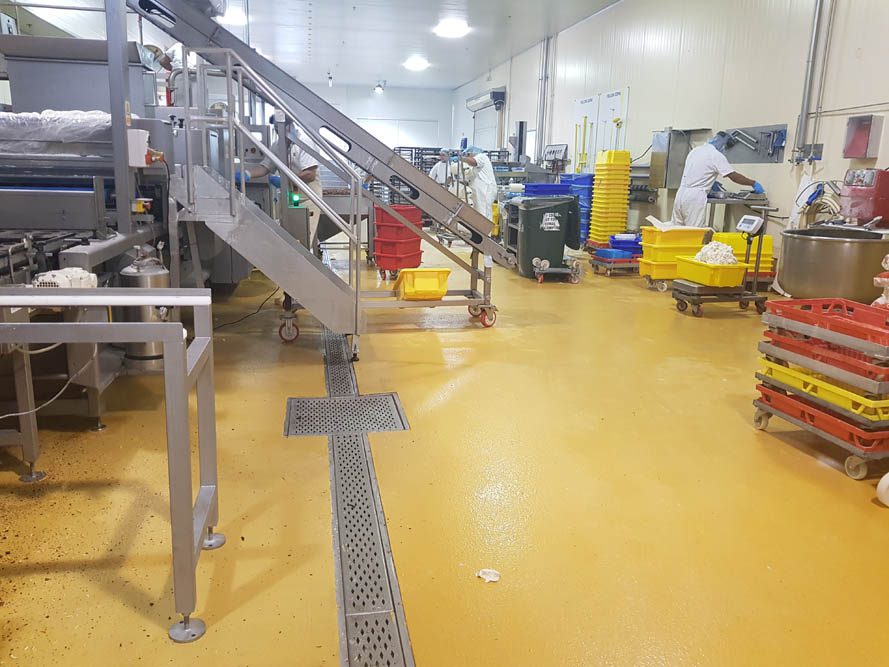
Industrial floor coatings are crucial in maintaining the durability, safety, and cleanliness of industrial environments. These coatings not only enhance the aesthetic appeal of a facility but also protect the floor surfaces from mechanical wear and chemical damage. Selecting the right floor coating requires a comprehensive understanding of the different materials available, their properties, and their suitability for various industrial applications. This guide explores the essentials of industrial floor coatings, providing valuable insights to help make informed decisions.
Types of Industrial Floor Coatings
Industrial floor coatings come in various types, each with distinct properties and advantages. Understanding these types is essential for choosing the right one for specific industrial needs.
Epoxy Coatings
- Durability: Epoxy coatings are known for their robust resistance to wear and tear, making them ideal for high-traffic areas.
- Chemical Resistance: They offer excellent protection against chemical spills and stains.
- Aesthetic Appeal: Available in various colors and finishes, epoxy coatings can enhance the visual aspect of industrial spaces.
- Learn more in this detailed guide.
Polyurethane Coatings
- Flexibility: These coatings are more flexible than epoxy, making them suitable for areas with temperature fluctuations.
- UV Stability: Polyurethane coatings do not yellow over time, maintaining their aesthetic appeal.
- Scratch Resistance: They provide a high level of scratch resistance, ideal for environments with heavy machinery.
- Explore further insights here.
Polyaspartic Coatings
- Fast Curing: These coatings offer a rapid cure time, reducing downtime during application.
- Versatility: They can be applied in a wide range of temperatures, making them versatile for different climates.
- Durability: Polyaspartic coatings provide a high level of durability and abrasion resistance.
- Read more about this topic.
Factors to Consider When Choosing a Floor Coating
When selecting an industrial floor coating, several key factors should be taken into account to ensure the best choice for specific requirements.
- Environment: Consider the environmental conditions, including temperature, humidity, and exposure to chemicals.
- Traffic Levels: The expected foot and machinery traffic will determine the coating’s required durability.
- Application Time: Some coatings require extended cure times, which can impact business operations.
- Budget: Evaluate the cost-effectiveness of the coating, balancing initial investment with long-term benefits.
- Find additional information here.
Application Process
The application process for industrial floor coatings is a critical step that determines the performance and longevity of the coating. A professional approach is recommended to achieve optimal results.
Surface Preparation
- Ensure the surface is clean, dry, and free from contaminants.
- Repair any cracks or defects before applying the coating.
- Use appropriate surface preparation techniques such as grinding or shot-blasting.
Coating Application
- Apply the coating evenly, following the manufacturer’s guidelines.
- Use the correct tools and equipment for the application to ensure uniformity and adhesion.
- Allow adequate curing time based on the specific coating type and environmental conditions.
Maintenance and Longevity
Proper maintenance is essential to extend the life of industrial floor coatings and maintain their appearance and functionality.
- Regular cleaning to remove dirt and debris that can cause wear.
- Periodic inspections to identify and address any damage or wear promptly.
- Adhering to recommended maintenance schedules and procedures specific to the coating type.
- Explore further insights here.
Industrial floor coatings are a valuable investment for any facility, offering protection, durability, and aesthetic enhancement. By understanding the different types, application processes, and maintenance requirements, facility managers can make informed decisions that align with their operational needs and budgetary constraints.