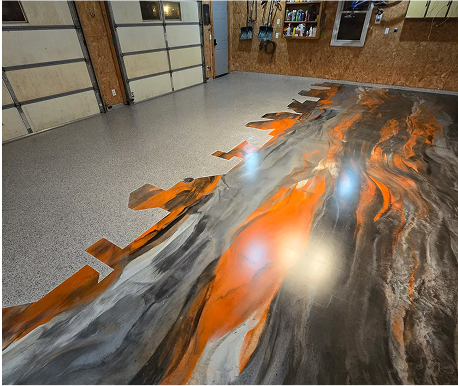
Metallic coatings have become a cornerstone of many industries, offering not only aesthetic enhancement but also significant protective benefits. From architectural structures to intricate industrial components, the appeal and utility of metallic coatings are undeniable. As the demand for these coatings grows, understanding the various options available becomes essential for achieving optimal results in terms of durability, appearance, and functionality. This exploration into the versatility of metallic coating options aims to provide valuable insights into their applications and advantages.
Understanding the Basics of Metallic Coatings
Metallic coatings are thin layers of metal that are applied to surfaces for protection against corrosion, wear, and environmental factors. These coatings can vary widely in terms of material composition and method of application. The choice of coating often depends on the specific needs of the project and the environmental conditions to which the coated item will be exposed.
Types of Metallic Coatings
There are several types of metallic coatings, each offering unique benefits:
- Zinc Coatings: Known for their excellent corrosion resistance, zinc coatings are commonly used in the galvanization process to protect steel products.
- Aluminum Coatings: These coatings offer high-temperature resistance and are often used in environments exposed to heat and moisture.
- Copper and Nickel Coatings: Valued for their conductivity and aesthetic finish, these coatings are frequently used in electronics and decorative applications.
- Chromium Coatings: Renowned for their hardness and wear resistance, chromium coatings are typically used in automotive and heavy machinery industries.
Understanding the different types of metallic coatings and their applications is crucial for selecting the right option for specific needs. Discover expert strategies here.
Applications of Metallic Coatings
Metallic coatings are versatile and applicable across various industries. Their primary functions include enhancing durability, improving appearance, and providing protection. Some of the key applications include:
- Architecture: Used extensively in building facades, roofing, and structural components to improve longevity and aesthetic appeal.
- Automotive: Applied to car parts for corrosion resistance, reduced friction, and enhanced visual appeal.
- Industrial Machinery: Protect components against wear and corrosion, thereby extending the equipment’s service life.
- Electronics: Utilized for conductive coatings that enhance performance and protect against environmental factors.
For a deeper dive into the specific applications and tailored solutions of metallic coatings, learn about our tailored solutions.
Advantages of Using Metallic Coatings
The benefits of metallic coatings are manifold, making them an attractive option for a wide range of projects:
- Corrosion Resistance: Metallic coatings provide a barrier against moisture, oxygen, and salts, significantly reducing the risk of corrosion.
- Increased Durability: By protecting against wear and tear, these coatings extend the lifespan of the underlying material.
- Cost-Effectiveness: Although the initial cost may be higher, the extended life of the coated product often results in long-term savings.
- Enhanced Aesthetic Appeal: Available in a variety of finishes and colors, metallic coatings can significantly enhance the visual appeal of an item.
To explore advanced guides and tips on maximizing these advantages, explore advanced guides and tips.
Innovations and Future Trends
The field of metallic coatings is continually evolving, with new innovations and trends emerging. These advancements include:
- Nanotechnology: The integration of nanoparticles in coatings to enhance their properties and performance.
- Eco-Friendly Coatings: Development of coatings that are less harmful to the environment and comply with stricter regulations.
- Smart Coatings: Coatings that can respond to environmental changes, such as temperature or pressure, to improve functionality.
Find out more about this approach and how it can benefit various industries by visiting the official page.
In conclusion, the versatility of metallic coatings makes them indispensable in various sectors, from construction to electronics. By understanding the different types, applications, and benefits, stakeholders can make informed decisions to optimize their projects. The future of metallic coatings promises exciting advancements that will further enhance their utility and sustainability.