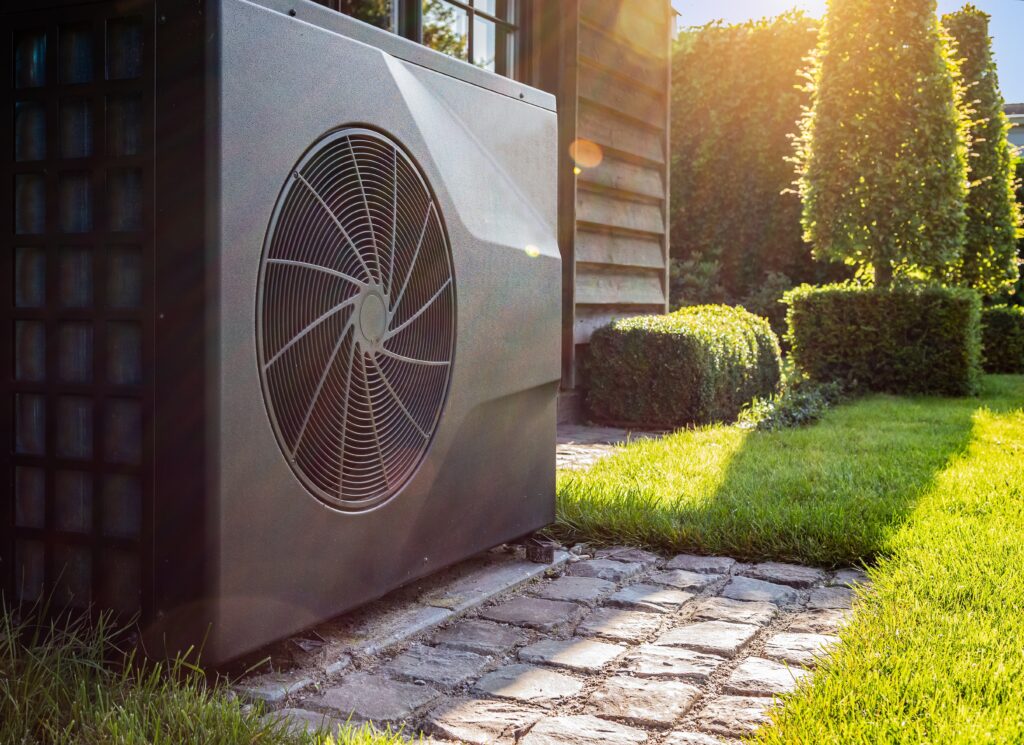
Climate control is an essential component of modern living, providing comfort and efficiency in both residential and commercial environments. With the ongoing challenges of climate change and fluctuating weather patterns, effective climate control solutions have become more crucial than ever. Understanding the different systems and technologies available can help individuals and businesses make informed decisions about their climate control needs. This article explores various solutions and technologies that can enhance indoor climate regulation, offering insights into their benefits and applications.
Understanding Climate Control Systems
Climate control systems are designed to maintain a desired indoor environment, ensuring optimal temperature, humidity, and air quality. These systems can range from basic heating and cooling units to advanced, integrated solutions that monitor and adjust environmental conditions automatically.
Types of Climate Control Systems
- **HVAC Systems**: Heating, Ventilation, and Air Conditioning (HVAC) systems are comprehensive solutions that provide heating, cooling, ventilation, and air purification. HVAC systems are ideal for both residential and commercial applications, offering customizable options based on specific needs.
- **Smart Thermostats**: These advanced devices allow for precise temperature control and can be programmed or controlled remotely. Smart thermostats often come with learning capabilities, adapting to user preferences over time.
- **Zoning Systems**: Zoning systems distribute air to different areas of a building independently, allowing for tailored climate control in specific zones. This can increase efficiency and comfort by directing energy only where it’s needed.
For more details on the different types of climate control systems, read more about this topic.
Benefits of Effective Climate Control
Implementing an effective climate control system can offer numerous benefits, both in terms of comfort and energy efficiency. Here are some key advantages:
- **Enhanced Comfort**: By maintaining a consistent indoor temperature, climate control systems ensure a comfortable environment year-round.
- **Energy Efficiency**: Advanced systems, such as those with zoning capabilities or smart thermostats, can significantly reduce energy consumption, leading to lower utility bills.
- **Improved Air Quality**: Many climate control systems include air filtration options that help reduce pollutants, allergens, and other airborne particles, enhancing overall indoor air quality.
For a deeper understanding of how these benefits translate into practical applications, explore further insights here.
Choosing the Right Climate Control Solution
Selecting the right climate control solution depends on various factors, including the specific needs of the environment, budget, and long-term goals. Consideration of these factors can help in making the best decision:
Factors to Consider
- **Size and Layout of Space**: The size and layout of the area to be controlled are critical in determining the appropriate type and capacity of the system.
- **Climate and Weather Patterns**: Understanding local climate conditions can help in selecting systems that efficiently handle temperature extremes and humidity levels.
- **Energy Efficiency Goals**: For those looking to minimize environmental impact and reduce energy costs, choosing systems with high-efficiency ratings is essential.
- **Budget Constraints**: While initial costs are important, consider the long-term savings and benefits of more efficient and advanced systems.
For additional information on choosing the right climate control solution, find additional information here.
Conclusion
Effective climate control solutions are vital for maintaining comfortable and healthy indoor environments, especially in the face of changing climate conditions. By understanding the various options available and their benefits, individuals and businesses can make informed decisions that enhance comfort, improve air quality, and promote energy efficiency. Whether opting for a comprehensive HVAC system, a smart thermostat, or a zoning solution, each choice contributes to a more sustainable and comfortable future. To delve deeper into the intricacies of climate control, learn more in this detailed guide.