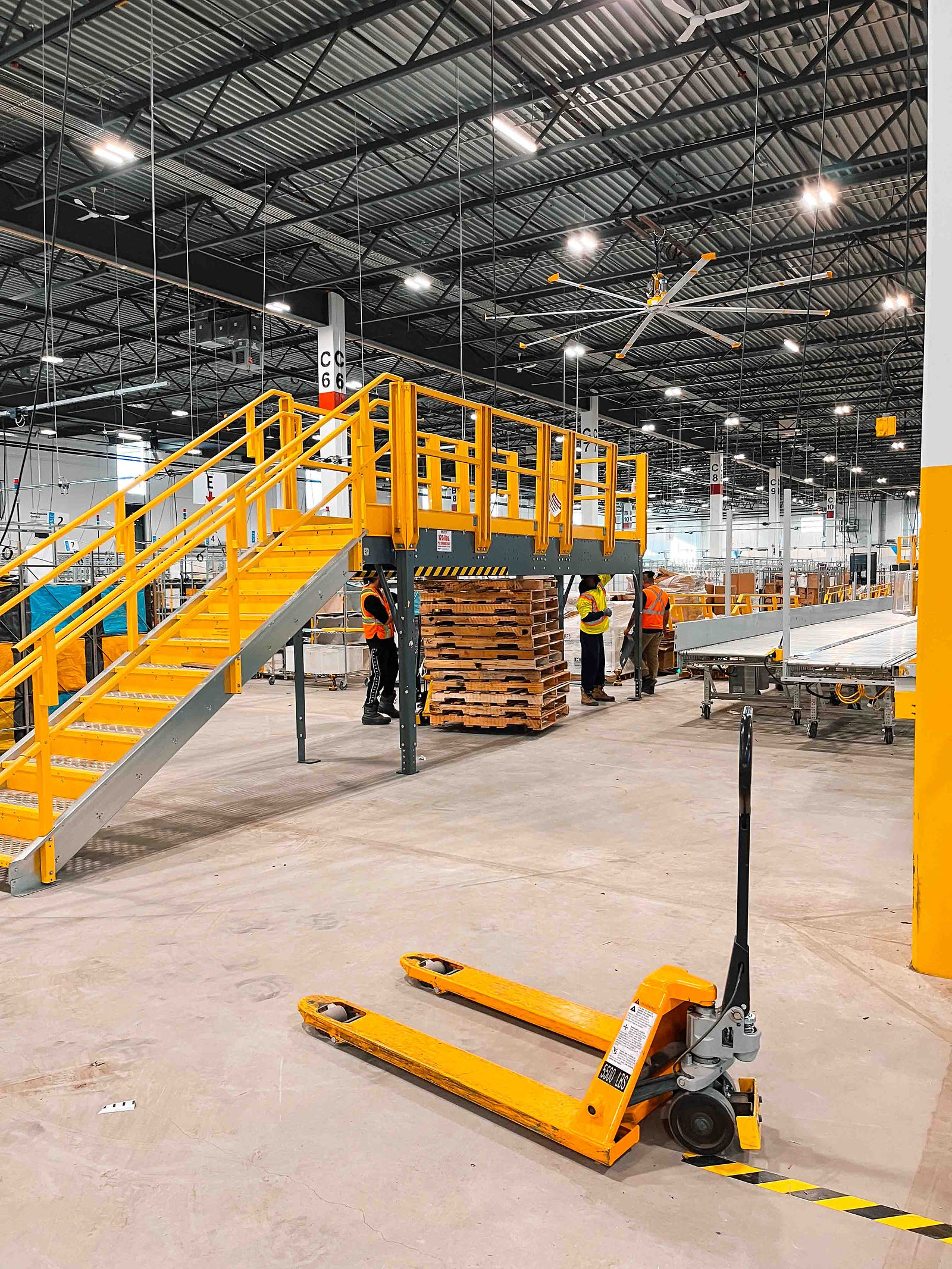
Infrastructure project management is a multifaceted discipline that involves coordinating various activities to ensure the successful completion of projects. As urban areas continue to expand, the demand for efficient infrastructure solutions becomes critical. This involves the construction and maintenance of roads, bridges, water systems, and other essential facilities that support daily life. Effective management of these projects is crucial to meet deadlines, stay within budget, and maintain quality standards. The complexity of these tasks requires a strategic approach to project management, considering the scope, resources, and stakeholders involved.
Key Elements of Efficient Infrastructure Management
Efficient management of infrastructure projects involves several key components that contribute to the overall success of a project. These elements are essential to address the challenges encountered in large-scale developments.
- Planning and Scheduling: Proper planning is the cornerstone of any successful project. It includes defining the project scope, setting objectives, and determining the resources required. Scheduling helps in forecasting project timelines and aligning resources accordingly. Learn more in this detailed guide.
- Resource Management: Efficient allocation and utilization of resources, including human, material, and financial resources, are crucial. This ensures that the project progresses without unnecessary delays or cost overruns. Explore further insights here.
- Risk Management: Identifying potential risks and developing mitigation strategies is essential to prevent disruptions. Effective risk management involves continuous monitoring and adapting plans to address new challenges as they arise.
- Stakeholder Engagement: Clear communication and collaboration with all stakeholders, including government bodies, contractors, and communities, are vital. This ensures alignment and support across the project lifecycle.
- Quality Control: Implementing rigorous quality control measures guarantees that the project meets the required standards and specifications. This involves regular inspections and testing to ensure compliance.
Technological Innovations in Infrastructure Management
The role of technology in infrastructure project management cannot be overstated. Innovative tools and systems are transforming how projects are planned and executed, resulting in increased efficiency and effectiveness.
Building Information Modeling (BIM)
BIM is revolutionizing the construction industry by providing a digital representation of the physical and functional characteristics of a facility. This technology aids in visualization, coordination, and decision-making throughout the project lifecycle. Read more about this topic here.
Drone Technology
Drones are increasingly used for site surveys, monitoring progress, and conducting inspections. They provide real-time data and high-resolution images, enabling project managers to make informed decisions quickly. Find additional information here.
Project Management Software
Advanced project management software solutions offer features such as task scheduling, resource tracking, and progress monitoring. These tools facilitate seamless communication and collaboration among project teams, enhancing overall efficiency.
Challenges and Solutions in Infrastructure Project Management
Despite advancements, infrastructure project management faces several challenges that must be addressed to ensure successful outcomes. Below are common challenges and potential solutions:
- Budget Constraints: Projects often face financial limitations that can hinder progress. Implementing cost management strategies and regularly updating budgets can help mitigate this issue.
- Environmental Impacts: Construction activities can have significant environmental impacts. Adopting sustainable practices and conducting thorough environmental assessments can minimize these effects.
- Regulatory Compliance: Navigating complex regulatory requirements can be daunting. Keeping abreast of changes in legislation and engaging with regulatory bodies early in the project can ensure compliance.
The successful management of infrastructure projects requires a comprehensive approach that incorporates planning, technology, and stakeholder collaboration. By addressing the challenges and leveraging technological advancements, project managers can enhance project efficiency and deliver sustainable infrastructure solutions. For more insights into infrastructure management, learn more in this detailed guide.