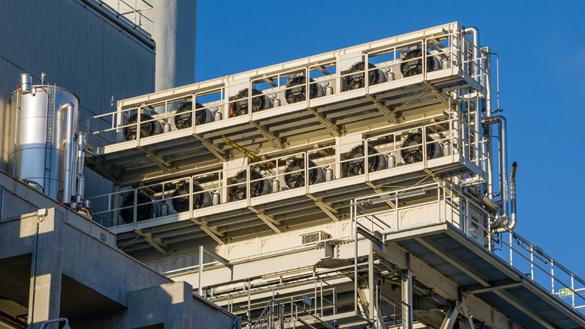
The global need to mitigate climate change has led to the emergence of various innovative technologies and strategies. Among these, carbon capture and storage (CCS) has gained significant attention as a viable solution to reduce greenhouse gas emissions. CCS technology involves capturing carbon dioxide (CO2) emissions from industrial sources and storing them underground to prevent them from entering the atmosphere. This article explores some of the latest advancements and solutions in carbon capture and storage, highlighting their potential impact on reducing our carbon footprint.
The Importance of Carbon Capture and Storage
Carbon capture and storage is considered a critical component in the fight against climate change. As industries and governments aim to meet ambitious carbon reduction targets, CCS provides a pathway to significantly lower emissions. The technology is particularly crucial for sectors where emissions are hard to eliminate, such as cement, steel, and chemical production.
Benefits of CCS Technology
- Reduces CO2 emissions from industrial sources.
- Facilitates the transition to a low-carbon economy.
- Supports sustainable development goals.
- Enhances energy security by enabling the continued use of fossil fuels with reduced environmental impact.
Innovative CCS Solutions
Recent advancements in carbon capture and storage technology are paving the way for more efficient and cost-effective solutions. These innovations are crucial in enhancing the scalability and adoption of CCS across various industries.
Membrane-Based Capture
Membrane-based capture systems are emerging as a promising alternative to traditional chemical absorption methods. These systems utilize selective membranes that can separate CO2 from other gases efficiently. The advantages of membrane-based capture include:
- Lower energy requirements compared to chemical absorption.
- Reduced operational costs.
- Scalability for various industrial applications.
Direct Air Capture (DAC)
Direct Air Capture technology is designed to remove CO2 directly from the atmosphere, offering a solution beyond industrial emission sources. This technology is particularly valuable for achieving net-zero emissions. Key features of DAC include:
- Ability to capture CO2 from ambient air, irrespective of the emission source.
- Potential to achieve negative emissions when paired with storage solutions.
- Flexibility in deployment, including in remote locations.
Challenges and Future Prospects
While CCS technology holds great promise, several challenges remain. These include high costs, technological limitations, and the need for regulatory frameworks to support widespread deployment. As research and development continue, addressing these challenges will be key to unlocking the full potential of CCS.
Cost Reduction Strategies
Innovations aimed at reducing the cost of CCS are crucial for its future adoption. Strategies include:
- Improving the efficiency of capture technologies.
- Developing new materials and processes for CO2 separation.
- Enhancing storage methods to ensure safety and reliability.
Regulatory and Policy Support
To foster the growth of CCS, governments and policymakers must establish supportive regulatory frameworks. This includes:
- Implementing carbon pricing mechanisms to incentivize CCS adoption.
- Providing financial incentives for research and development.
- Ensuring robust monitoring and verification protocols for storage sites.
As the world continues to grapple with the effects of climate change, carbon capture and storage remains a vital tool in the arsenal of solutions aimed at reducing emissions and safeguarding the environment. By exploring and investing in innovative CCS solutions, industries and policymakers can play a significant role in paving the way toward a sustainable future.