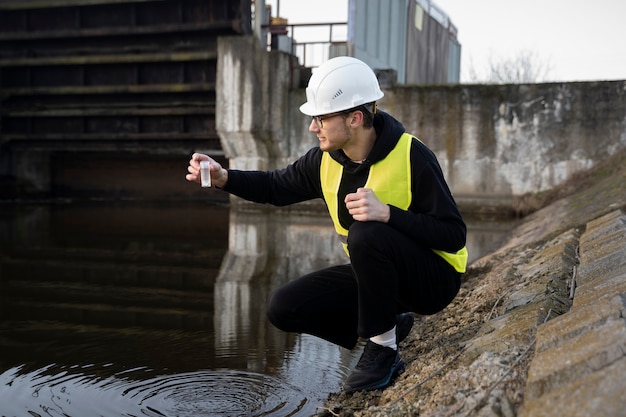
Water damage can strike at any time, often catching property owners off guard and unprepared. Whether due to natural disasters, plumbing failures, or unforeseen accidents, the rapid escalation of water damage can lead to severe consequences if not addressed promptly. This article delves into the critical process of rapid response water extraction and drying, emphasizing the importance of swift action and advanced techniques to mitigate damage effectively.
Understanding Water Damage and Its Impacts
Water damage can affect a wide range of materials in a property, leading to structural degradation, mold growth, and other health hazards. Understanding the nature of water damage is crucial for effective response and management.
- Structural Damage: Prolonged exposure to water can weaken the integrity of walls, floors, and foundations.
- Mold and Mildew: Moist environments encourage mold growth, which can harm indoor air quality.
- Electrical Hazards: Water and electricity do not mix, posing serious safety risks.
For more detailed information on managing water damage impacts, discover expert strategies here.
Key Steps in Water Extraction and Drying
Assessment and Inspection
The first step in addressing water damage is a thorough inspection to determine the extent of the damage. This involves identifying the source of the water and the areas affected.
Water Extraction
Using advanced equipment, water extraction is conducted to remove standing water quickly and efficiently. This step is crucial to prevent further absorption and damage.
Drying and Dehumidification
Once the water is removed, the drying process begins. High-powered fans and dehumidifiers are used to eliminate moisture from the air and materials. This step is essential to prevent mold growth and restore the property to its pre-damage condition. Learn about our tailored solutions for effective drying techniques.
Advanced Techniques and Equipment
Professionals employ a variety of advanced techniques and equipment to ensure effective water extraction and drying:
- Infrared Cameras: These are used to detect moisture levels in hidden areas.
- Industrial-Grade Dehumidifiers: These devices accelerate the drying process.
- Air Movers: They increase air circulation and promote faster drying.
To explore advanced guides and tips on the latest equipment, explore advanced guides and tips.
The Importance of Professional Expertise
Engaging with professionals for water extraction and drying ensures that the process is handled with precision and care. Experts bring experience, specialized equipment, and a comprehensive approach to mitigate damage effectively.
Find out more about this approach here.
Customer Experiences and Feedback
Understanding the experiences of others can offer valuable insights into the effectiveness of water extraction services. Check out customer reviews here to see what others are saying about the professional services offered. Such feedback can be instrumental in making informed decisions when dealing with water damage.
Conclusion
Rapid response in water extraction and drying is not just about removing water; it’s about restoring peace of mind and safeguarding property value. Swift action, combined with professional expertise and advanced technology, can significantly reduce the long-term impacts of water damage. For those seeking to protect their properties from water damage, staying informed and prepared is key. Explore more about these strategies and ensure that the best practices are in place for effective water damage management.