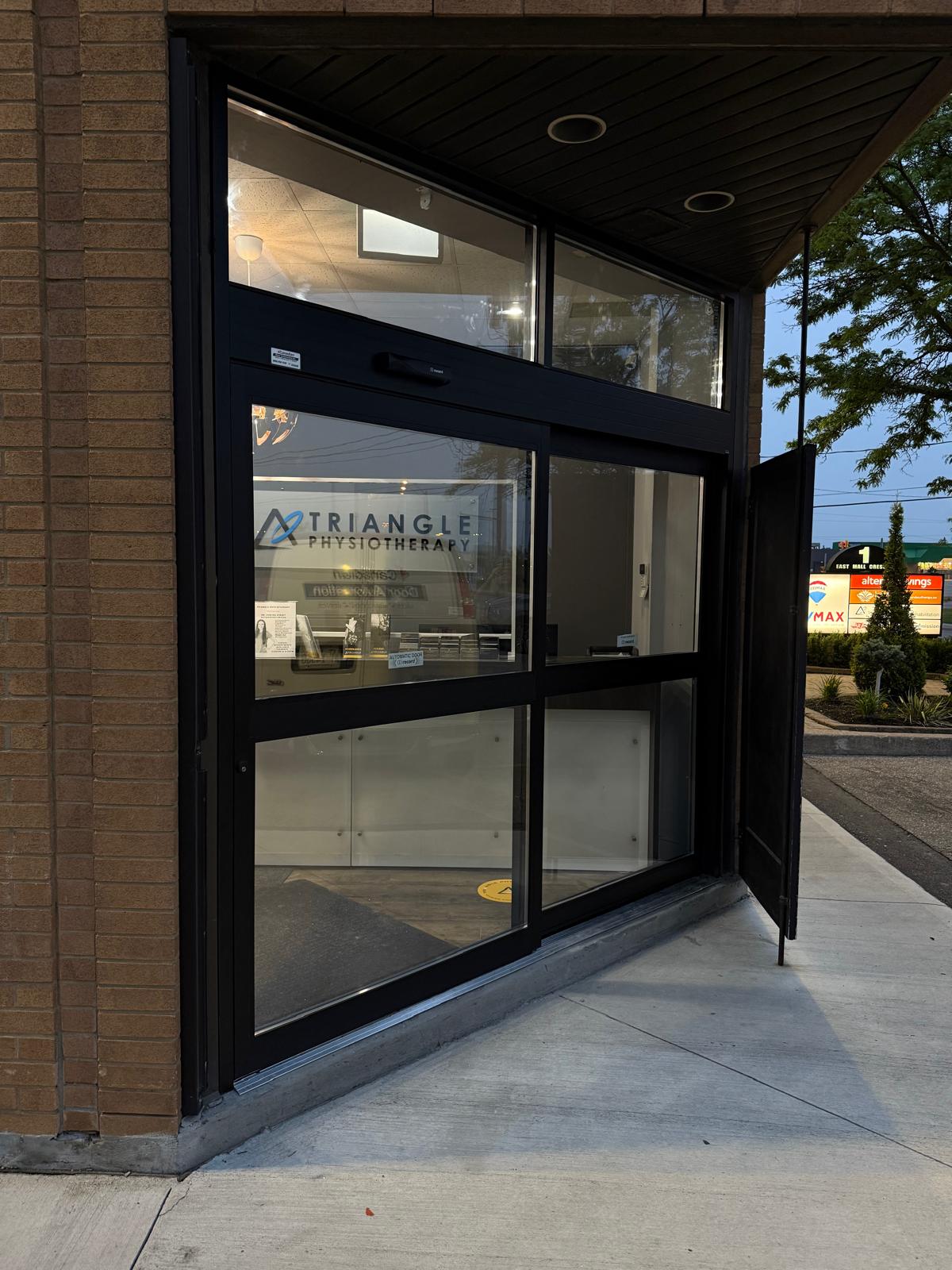
Automatic doors are a staple in modern building design, offering convenience, access control, and enhanced security. However, like any mechanical system, they require regular maintenance to function optimally. For building managers, understanding the nuances of automatic door maintenance can prevent costly repairs and ensure seamless operations. This guide provides insights into simplifying the maintenance process, ensuring that your building’s automatic doors operate efficiently and safely.
Understanding the Importance of Regular Maintenance
Regular maintenance of automatic doors is crucial for several reasons:
- Safety: Ensures the safety of users by preventing accidents caused by malfunctioning doors.
- Cost Efficiency: Reduces the risk of expensive repairs by addressing issues early.
- Longevity: Extends the lifespan of the doors, providing better return on investment.
- Compliance: Keeps the doors in compliance with legal standards and regulations.
For a deeper understanding of maintenance strategies, discover expert strategies here.
Components of an Effective Maintenance Plan
1. Regular Inspections
Conducting regular inspections is the first step in effective maintenance. Building managers should:
- Schedule monthly checks to identify wear and tear.
- Inspect sensors and ensure they are clean and unobstructed.
- Check door alignment and adjust as necessary.
These inspections help in catching minor issues before they escalate. Learn about our tailored solutions for more detailed inspection guidelines.
2. Professional Servicing
While regular inspections can be conducted by building staff, professional servicing should not be overlooked:
- Engage certified technicians for comprehensive servicing at least twice a year.
- Ensure all safety mechanisms are tested and validated.
- Request detailed service reports for future reference.
Professional servicing provides a thorough check-up, ensuring all components function as intended. Explore advanced guides and tips for professional servicing options.
3. Maintenance Logs
Maintaining a detailed log of all maintenance activities is vital:
- Record dates of inspections and services.
- Document any repairs or replacements made.
- Track recurring issues to identify patterns.
These logs are invaluable for assessing the performance and needs of the automatic doors over time.
Tips for Simplifying Maintenance
1. Training Building Staff
Equipping building staff with basic training on automatic door operations can simplify maintenance:
- Provide training on how to conduct basic inspections.
- Educate on recognizing signs of potential issues.
- Ensure staff know how to safely disable doors if necessary.
Effective training empowers staff to play an active role in maintenance. Find out more about this approach to staff training.
2. Implementing Technology
Leverage technology to streamline maintenance processes:
- Use monitoring systems to alert staff to issues in real-time.
- Utilize software to schedule and track maintenance activities.
- Implement automated reminders for inspections and servicing.
Integrating technology reduces manual errors and enhances efficiency.
Conclusion
Automatic door maintenance is a critical component of building management that ensures safety, efficiency, and longevity. By implementing a structured maintenance plan that includes regular inspections, professional servicing, and leveraging technology, building managers can simplify the process. A proactive approach not only safeguards the investment in automatic doors but also enhances user experience. For comprehensive maintenance strategies and professional guidance, explore advanced guides and tips.