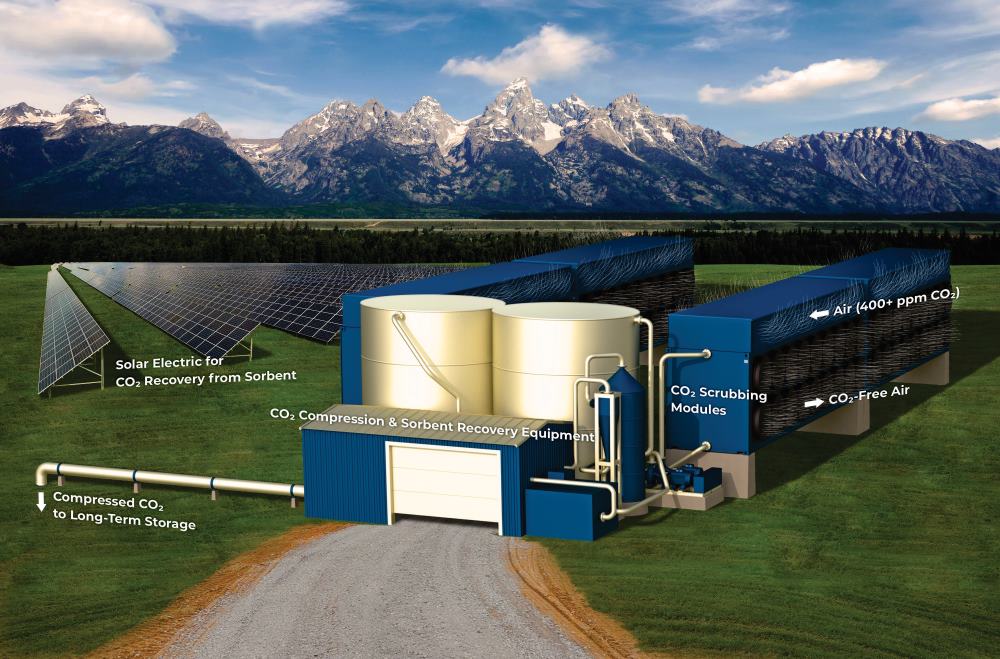
In recent years, the increasing levels of carbon dioxide in the atmosphere have become a critical concern, prompting significant discussions and innovations in carbon management. Among these innovations, carbon dioxide capture technology stands out as a pivotal solution in mitigating climate change. This technology focuses on capturing CO2 emissions from industrial sources and storing them to prevent release into the atmosphere. As global efforts intensify to achieve net-zero emissions, understanding and implementing carbon dioxide capture technology becomes crucial.
The Concept of Carbon Dioxide Capture
Carbon dioxide capture technology involves several processes designed to trap CO2 emissions before they reach the atmosphere. The captured CO2 is then stored underground or utilized in various industrial processes. The technology is primarily divided into three methods:
- Pre-combustion capture: This process involves removing CO2 from fossil fuels before combustion.
- Post-combustion capture: This captures CO2 from the exhaust gases after fossil fuels have been burned.
- Oxy-fuel combustion: This technique burns fossil fuels in oxygen instead of air to produce a flue gas composed mostly of CO2 and water vapor, which can be easily separated.
Benefits of Carbon Dioxide Capture Technology
Implementing carbon dioxide capture technologies offers significant benefits, contributing to environmental sustainability and industrial efficiency.
Environmental Benefits
- Reduces greenhouse gas emissions, playing a crucial role in combating climate change.
- Prevents ocean acidification, which is caused by excess CO2 dissolving into ocean waters.
- Contributes to the restoration of ecosystems affected by excessive carbon emissions.
Economic and Industrial Advantages
- Encourages innovation and job creation within the green technology sector.
- Allows industries to meet regulatory compliance and avoid potential penalties associated with high emissions.
- Enables the development of new markets for captured carbon, such as in the production of synthetic fuels and materials.
Challenges and Considerations
While carbon dioxide capture technology presents numerous benefits, there are challenges that need to be addressed for its widespread adoption.
- High Costs: The technology requires significant investment in infrastructure and ongoing operational costs.
- Storage Concerns: Long-term storage solutions need to be safe and secure to prevent leakage of stored CO2.
- Energy Requirements: The process can be energy-intensive, potentially offsetting some environmental gains if not managed efficiently.
The Future of Carbon Dioxide Capture Technology
As the world moves towards sustainable solutions, the future of carbon dioxide capture technology appears promising. Continuous research and development are paving the way for more cost-effective and efficient methods. Collaboration between governments, industries, and research institutions is essential to overcome the current challenges and accelerate the deployment of this technology on a global scale.
Innovations in this field, such as the integration of artificial intelligence and machine learning, are also showing potential in optimizing carbon capture processes. Furthermore, advancements in renewable energy sources can complement these technologies, reducing the energy burden and enhancing overall system efficiency.
In conclusion, carbon dioxide capture technology is an indispensable component in the global strategy to combat climate change. By understanding its mechanisms, benefits, and challenges, stakeholders can make informed decisions and investments that will shape a sustainable future. For more in-depth insights into the latest advancements, explore the current state of carbon dioxide capture technology and its applications in various industries.