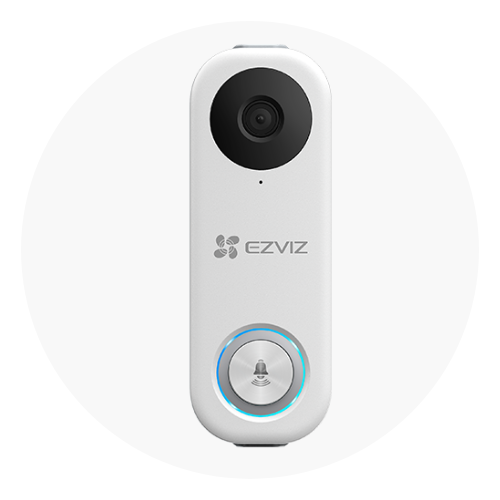
As society progresses and the population ages, the importance of emergency alert systems for the elderly becomes more evident. These systems are critical in ensuring the safety and well-being of older adults, providing them and their families with peace of mind. With the increasing number of elderly individuals opting to live independently, having an effective alert system can make a significant difference in emergency situations. This article delves into the various components and benefits of emergency alert systems for the elderly, offering insights into their functionality and the vital role they play in elder care.
What Are Emergency Alert Systems?
Emergency alert systems are devices or services designed to send alerts or notifications during critical situations. For the elderly, these systems typically involve wearable devices, home sensors, or mobile applications that help in monitoring their safety and well-being. The primary goal is to ensure that help can be summoned quickly and efficiently when needed.
Key Features of Emergency Alert Systems
When considering an emergency alert system, it’s essential to evaluate specific features that can enhance the safety and convenience for elderly users:
- 24/7 Monitoring: Continuous monitoring ensures that assistance is available at any time.
- Fall Detection: Advanced sensors that automatically detect falls and alert emergency contacts.
- GPS Tracking: Provides accurate location data to caregivers and emergency services.
- Two-way Communication: Allows direct interaction with monitoring centers in case of emergencies.
- Water Resistance: Ensures the device is functional even in wet conditions, like the shower.
Benefits of Emergency Alert Systems
The advantages of implementing an emergency alert system for the elderly are numerous and can significantly impact their quality of life:
- Increased Independence: Older adults can live independently without compromising their safety.
- Peace of Mind: Family members and caregivers can rest assured knowing that their loved ones are well-protected.
- Quick Response Times: Reduces the time it takes for emergency services to reach the elderly, which can be life-saving.
- Cost-effective: These systems can be a more affordable solution compared to full-time caregiving services.
Choosing the Right System
Selecting the appropriate emergency alert system involves considering various factors, including the specific needs of the elderly individual, the environment in which they live, and budget constraints. Researching and comparing different systems is crucial to make an informed decision.
Explore advanced guides and tips to learn more about selecting the most suitable alert system that caters to unique requirements.
Considerations for Implementation
Implementing an emergency alert system should be a seamless transition. Here are some considerations to keep in mind:
- Ease of Use: The system should be intuitive and straightforward for the elderly to operate.
- Customer Support: Reliable customer service is essential for troubleshooting and assistance.
- Integration with Other Devices: Compatibility with existing devices or smart home systems can enhance functionality.
Find out more about this approach to ensure seamless integration and optimal use of emergency alert systems.
Conclusion
Emergency alert systems are indispensable tools in modern elder care, providing essential support and security for older adults. By understanding their features, benefits, and implementation considerations, caregivers and family members can make informed decisions that prioritize the safety and independence of the elderly. For further insights and expert strategies, discover expert strategies here and stay informed about tailored solutions available in the market.