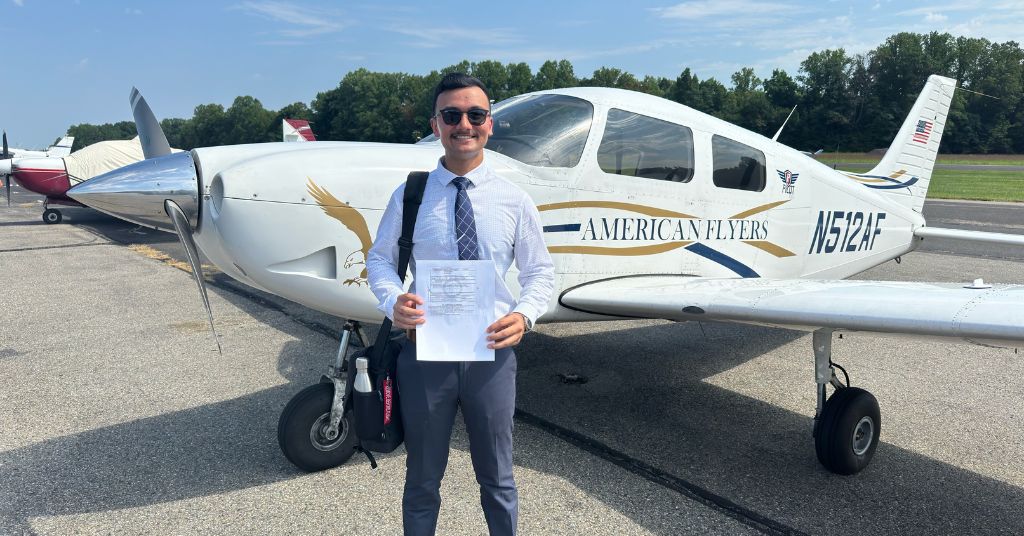
Achieving the status of a private pilot is a dream for many aviation enthusiasts. This journey is not only about mastering the art of flying but also about committing to a series of structured educational and practical experiences. The private pilot certification opens doors to a world of adventure and opportunities in the skies. Whether you aim to fly casually or eventually pursue a commercial piloting career, the private pilot license is your first official step into the aviation world.
Understanding the Requirements
Before embarking on the journey to become a private pilot, it is essential to understand the requirements set forth by aviation authorities. These typically include:
- Minimum age requirement: Generally, candidates need to be at least 17 years old.
- Medical certification: Obtain a third-class medical certificate to ensure you are fit to fly.
- Language proficiency: English language skills are often required as it is the international language of aviation.
To understand more about these requirements and their nuances, read more about this topic.
Theoretical Knowledge and Ground School
Ground school is a crucial component in the journey to becoming a private pilot. It covers the theoretical knowledge necessary to pass the written examination. Topics include:
- Meteorology: Understanding weather patterns and their impact on flying.
- Navigation: Learning how to read maps and use navigation systems.
- Aircraft Systems: Familiarity with the components and functions of an aircraft.
- Aerodynamics: The principles of flight and how aircraft are controlled.
For a comprehensive overview of ground school topics, learn more in this detailed guide.
Flight Training and Practical Experience
Practical flight training is where aspiring pilots gain hands-on experience in the cockpit under the supervision of a certified flight instructor. Key elements of flight training include:
- Dual instruction flights: Training sessions with an instructor to learn maneuvers and safety protocols.
- Solo flights: Pilots must complete a certain number of solo flying hours.
- Cross-country flights: Experience flying between different airports to build navigation skills.
Each flight session is an opportunity to apply theoretical knowledge to real-world flying. Explore further insights here.
Preparation for the Checkride
The final step in the certification process is the checkride, a combination of an oral exam and a practical flight test. Candidates must demonstrate proficiency in all areas of pilot training. The checkride assesses:
- Pre-flight planning and inspection.
- Execution of flight maneuvers.
- Navigation and communication skills.
- Decision-making and problem-solving abilities.
Successful completion of the checkride results in the issuance of a private pilot license. Find additional information here.
Conclusion
Embarking on the journey to become a private pilot involves dedication, discipline, and a passion for flight. From understanding the basic requirements to mastering the technical and practical skills, each step is crucial in shaping a competent and confident pilot. With the right training and commitment, the skies are the limit, and the dream of flying can become a reality. For those ready to take on this challenge, the path to private pilot certification is an exciting and rewarding adventure.